Pharma Industries
A Full Service Miescher Since 2017
Pharma
We are experts in designing, manufacturing, and supplying pharma equipments such as process vessels, filtration skids, bio kill systems, CIP/SIP stations, Autoclave systems etc. Miescher help in improving the efficiency of the pharmaceutical development and production by streamlining the processes.
Customization: To meet the unique requirements of different pharmaceutical manufacturers, we offer customization services. We can adjust equipment size, capacity, features, and specifications to align with specific production needs.
Quality Assurance: Adhere to stringent quality control ASME standards to ensure the products meet the highest levels of safety and reliability. Rigorous testing, inspections, and compliance with industry regulations are integral to their quality assurance processes.
Innovation: Invest in research and development to introduce advanced and efficient equipment. Innovations may include automation, improved sterility control, enhanced regulatory compliance features, and the integration of smart technologies for monitoring and data control.
Product Support and Maintenance: We provide comprehensive customer support services, including equipment installation, training, and ongoing maintenance. This helps to optimize equipment performance and extend its lifespan, which is critical for drug manufacturing operations.
Safety and Regulatory Compliance: Designing equipment with safety and regulatory compliance in mind to ensure that pharmaceutical products are manufactured in a controlled and compliant environment.
After-Sales Service: We offer after-sales services, including spare parts supply and technical support, to minimize equipment downtime and ensure the smooth operation of pharmaceutical production processes.

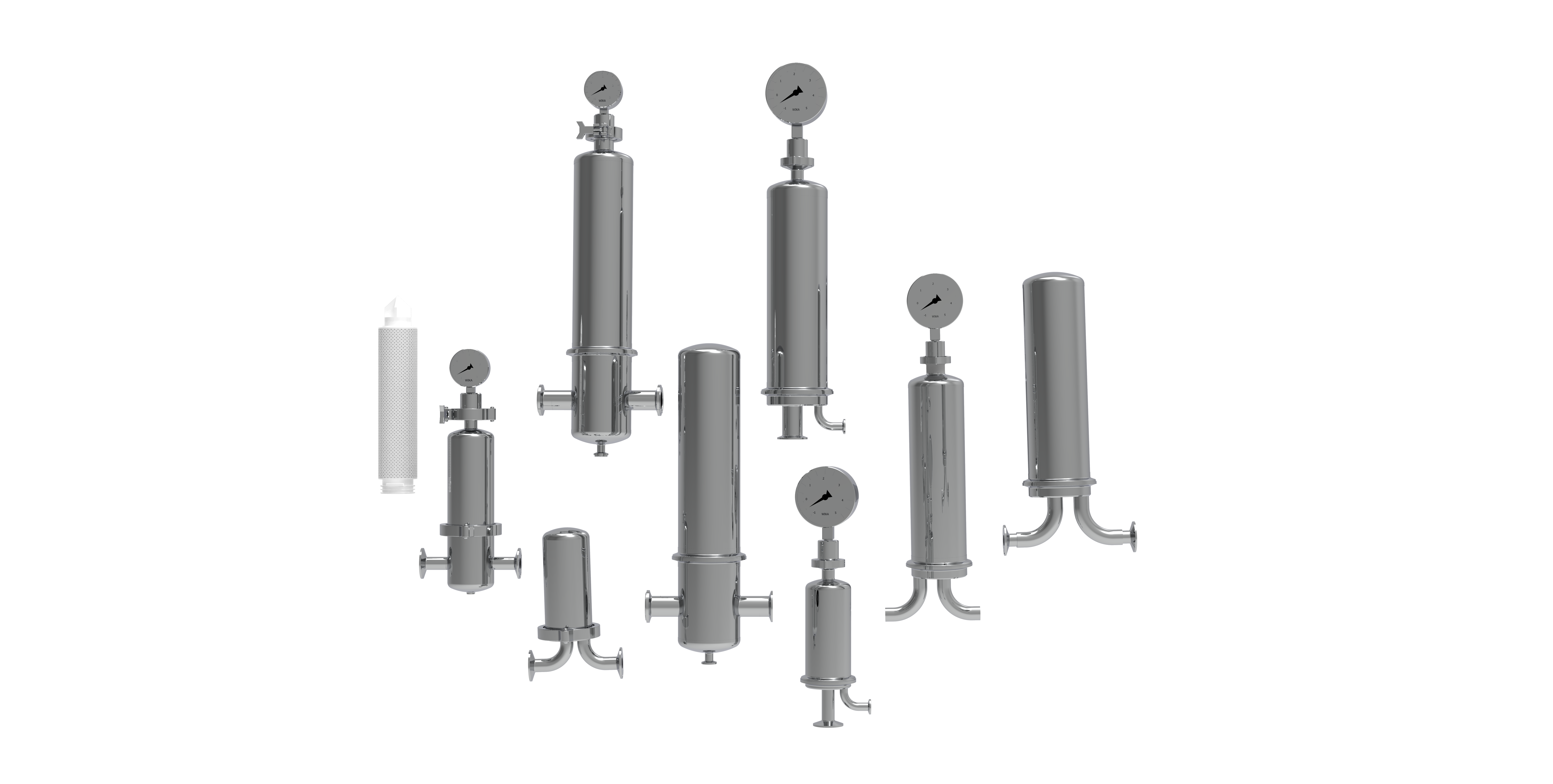
BIOREACTOR
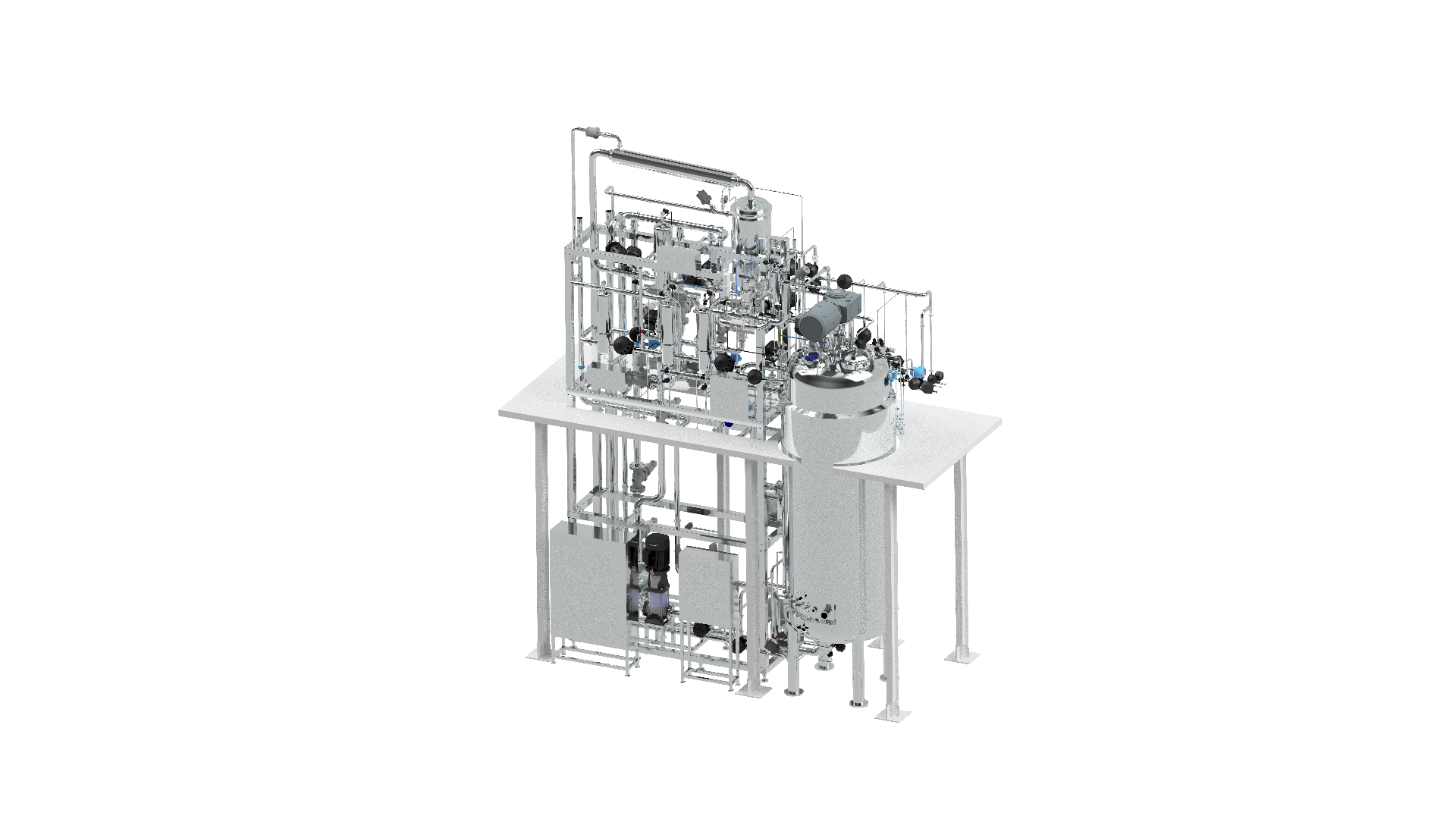
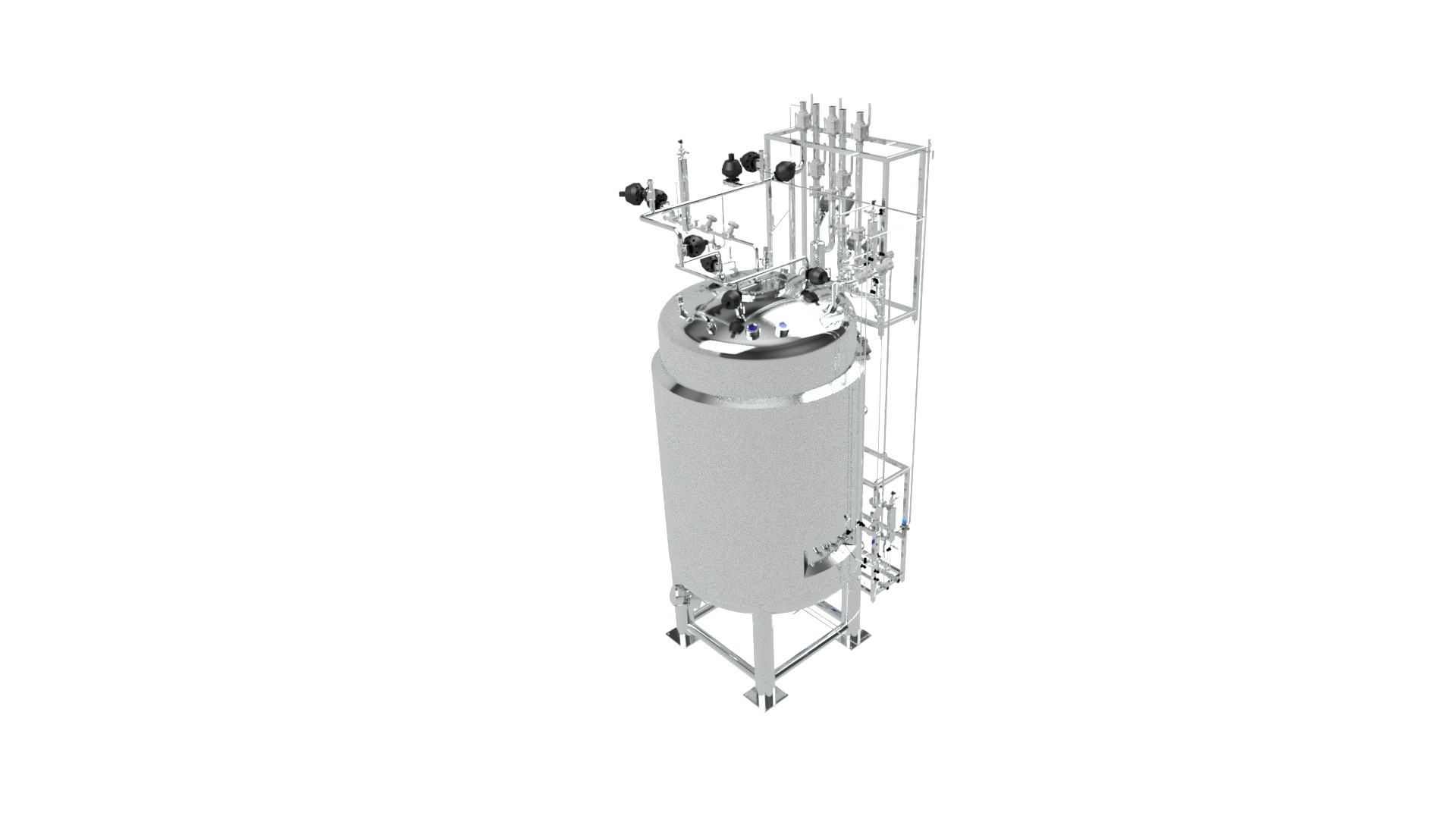
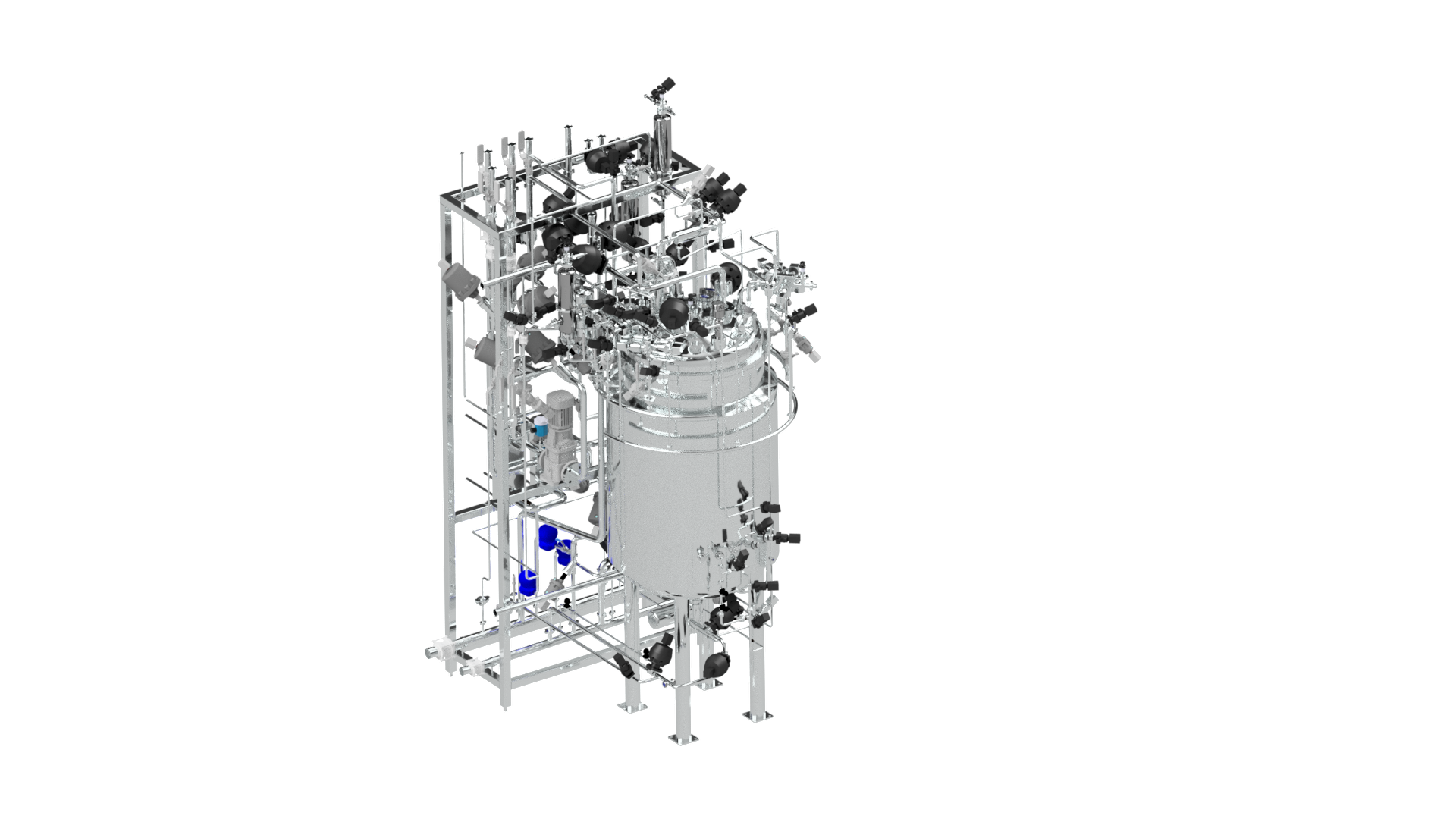
A bioreactor is a type of fermentation vessel that is used for the production of various chemicals and biological reactions. It is a closed container with adequate arrangement for aeration, agitation, temperature and pH control, and drain or overflow vent to remove the waste biomass of cultured microorganisms along with their products.
A bioreactor should provide for the following:
- Agitation (for mixing of cells and medium),
- Aeration (aerobic fermenters); for O2 supply,
- Regulation of factors like temperature, pH, pressure, aeration, nutrient feeding, and liquid leveled.
- Sterilization and maintenance of sterility.
- Withdrawal of cells/medium.
By the following methods we optimize our product performances,
- Our designs ranges from 5L to 15,000L (Customized).
- Size optimized designs with premium aesthetics.
- Mechanically/ Magnetically mounted agitators with variable shear forces.
- Strictly adhere to ASME BPE and GAMP 5 guidelines.
- Providing automation using PLC control and SCADA, all required parameters can be accessed using supervisory passwords.
- User friendly designs with overseeing futuristic maintenances.
- Using efficient mechanical seals.
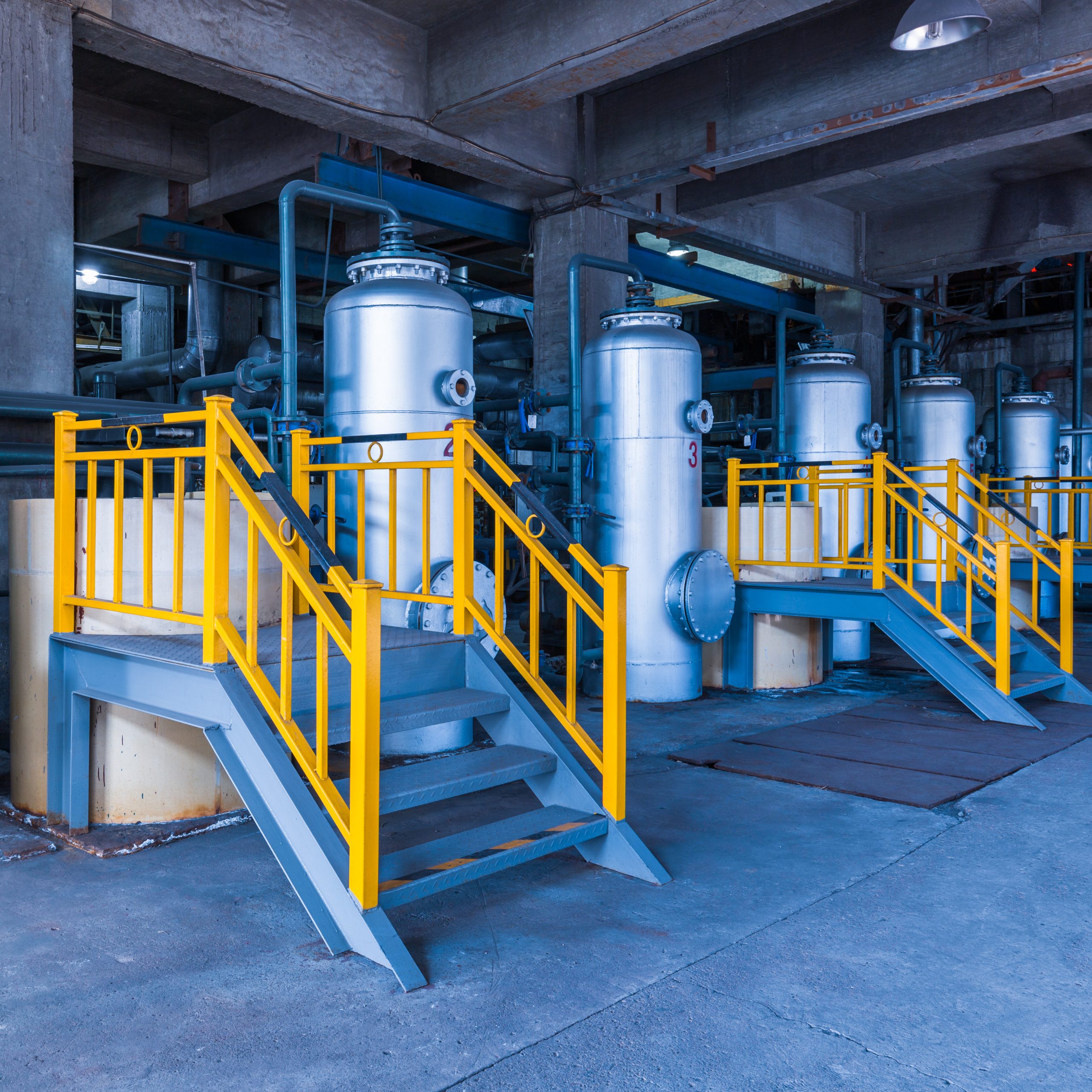
FERMENTER
A Fermenter is a device used to accomplish the fermentation process by using microorganisms, and for this reason. It is equipped with all the elements that are necessary to carry out the commercial production of substances like antibiotics, enzymes, beverages etc. in many industries.
Fermenter is designed in such a way that a higher value of product could form by the microorganisms by utilizing a small amount of media. It shows broad applicability in the food industry, wastewater treatment etc. Fermentation is the bioprocessing of the raw substrates through microbial biomass (mostly yeasts and bacteria).
By the following methods we optimize our product performances,
- Our designs ranges from 5L to 10,000L (Customized).
- Size optimized designs with premium aesthetics.
- Mechanically/ Magnetically mounted agitators with variable shear forces.
- Strictly adhere to ASME BPE and GAMP 5 guidelines.
- Providing automation using PLC control and SCADA, all required parameters can be accessed using supervisory passwords.
- User friendly designs with overseeing futuristic maintenances.
- Using efficient mechanical seals.
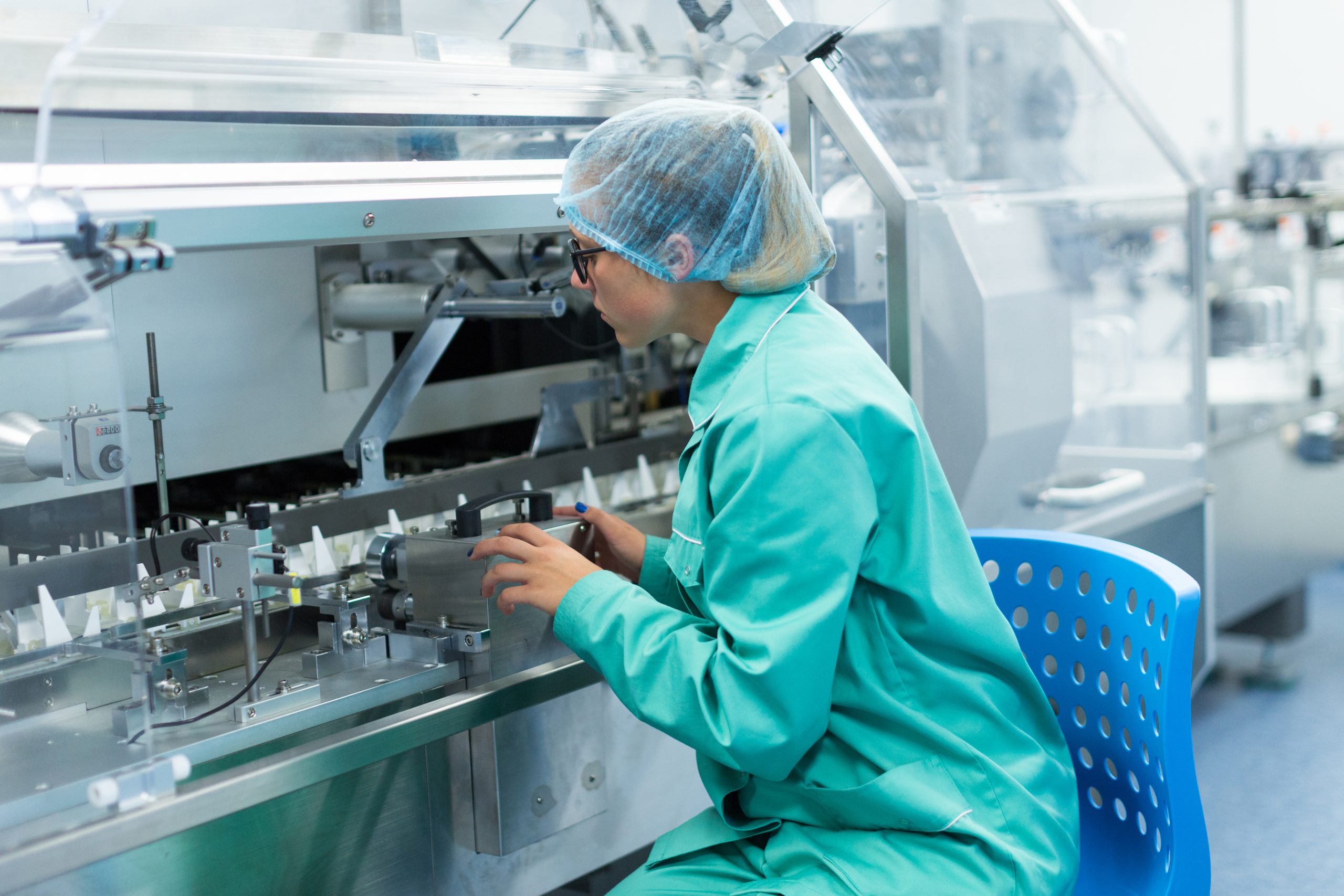
CIP/SIP SYSTEMS
- We design, develop, manufacture, supply and install mobile and fixed CIP&SIP units for sanitization and sterilization.
- The units are custom made, modular, skidded in automated or semi-automated models as per the required time cycle for cleaning and sterilization.
- The CIP skid is the heart of CIP. The main purpose of CIP is to remove physical dirt and residues, as well as bacteria
- Repeatable, reliable, and effective cleaning is of the utmost importance in a manufacturing facility.
- Cleaning procedures are validated to demonstrate that they are effective, reproducible, and under control. In order to adequately clean processing equipment, the equipment must be designed with smooth stainless-steel surfaces and interconnecting piping that has cleanable joints.
- The chemical properties of the cleaning agents must properly interact with the chemical and physical properties of the residues being removed.
Our clean-in-place, sterilize-in-place systems possess unique features;
- Assuring safety of the consumers by repeated design testing and researches.
- Remove physical dirt, residues as well as microbes.
- Extend food product shelf life
- Reduce the number of system downtime
- Ensure product cycles are efficient and cost-effective
BIO KILL SYSTEMS
- Biological waste produced by pharmaceutical, gene-therapy manufacturing and R&D processes is considered hazardous to human health.
- Environmental regulation demands that bio-waste generating from biocontainment facilities must be inactivated by chemical or heat process before discharging into conventional effluent treatment systems.
- The Bio kill system ensures that the quality of effluent is acceptable to the environmental standards set for effluent disposal.
- Common methods for performing this deactivation utilize either heat, which elevates and holds temperature to “destroy” any existing living microorganisms, or chemicals, which are injected and held at specific concentrations required to eliminate biological waste.
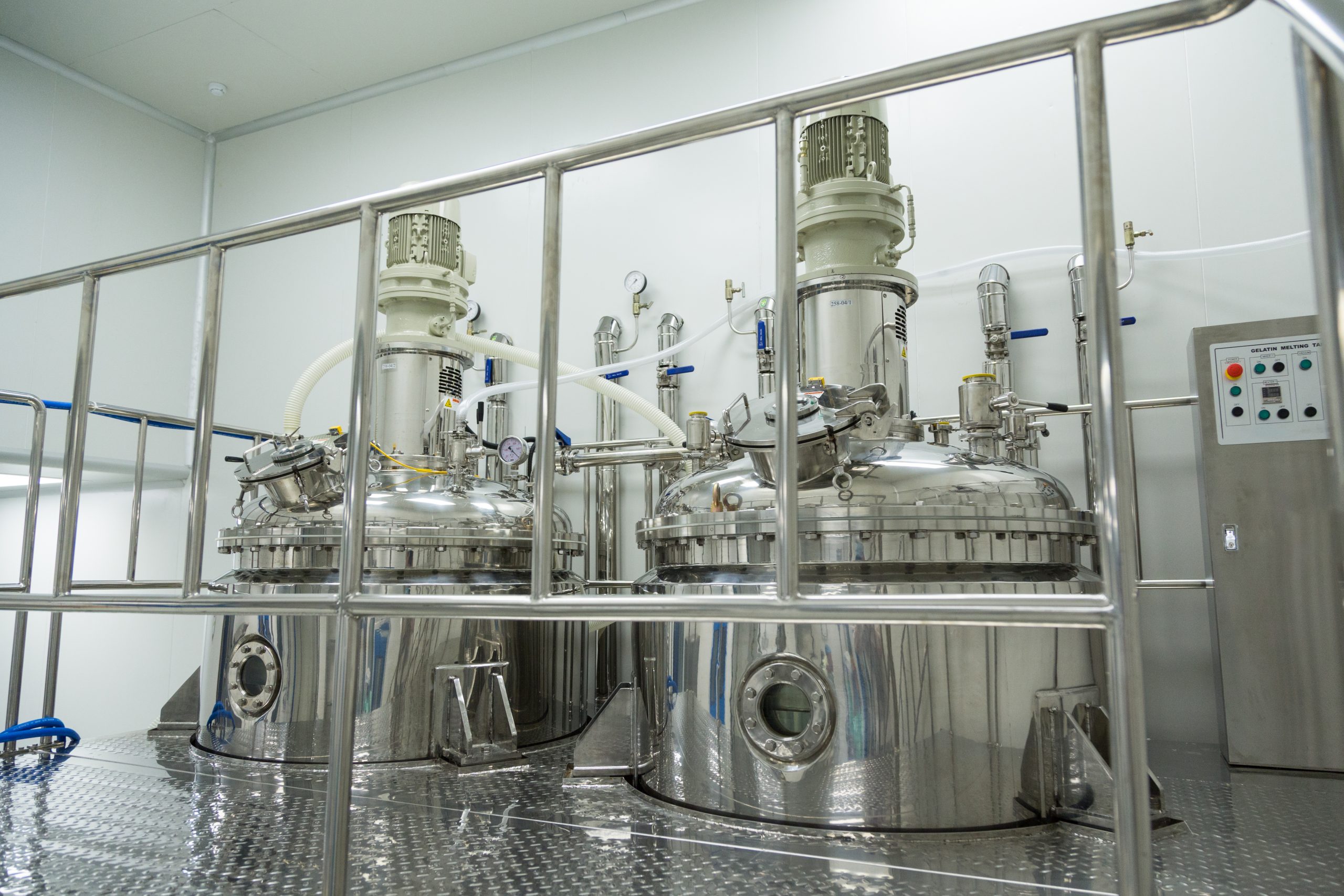
AGITATORS
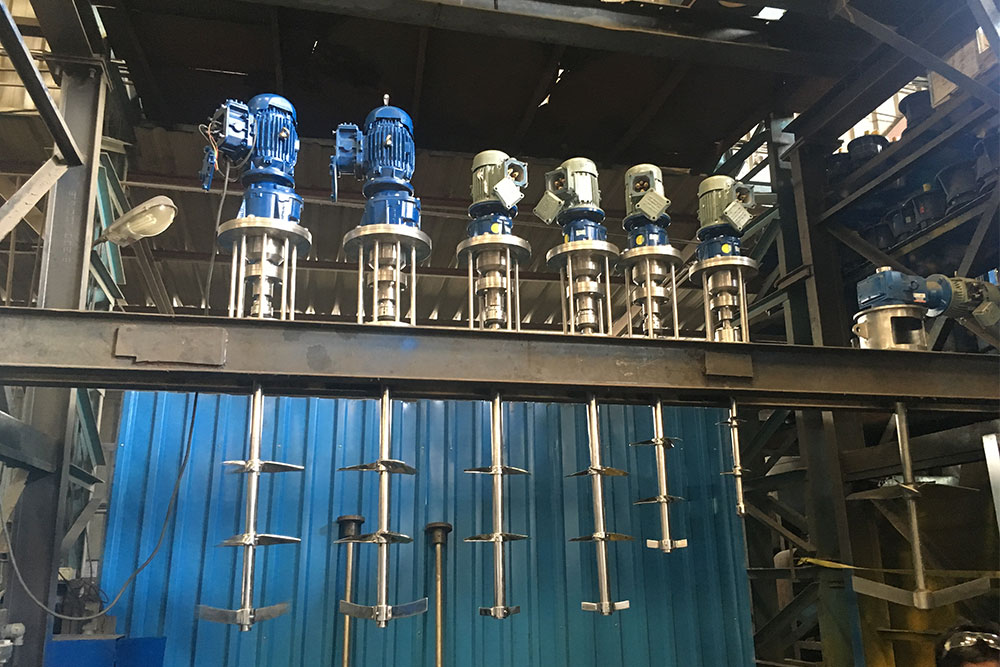
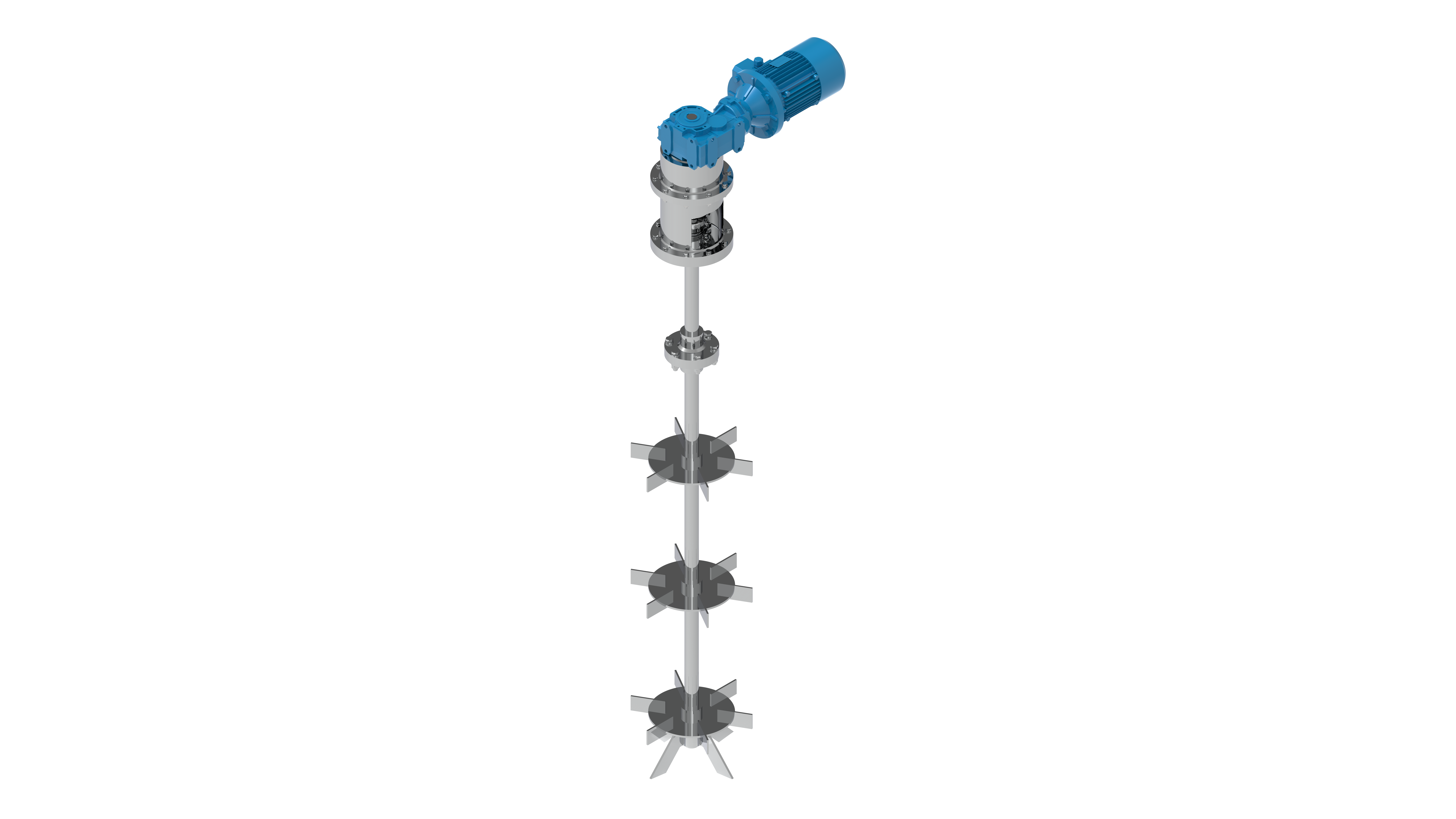
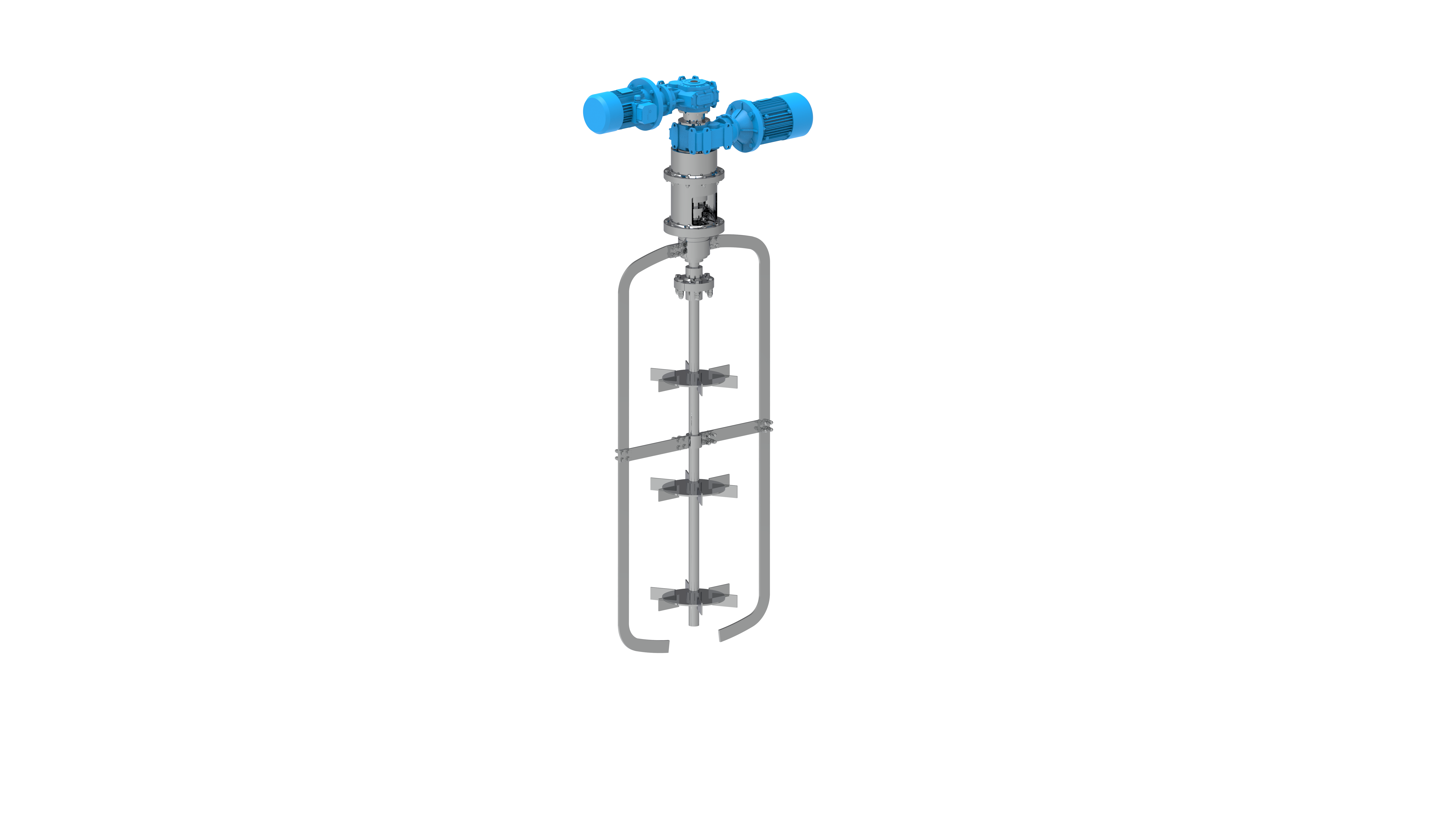
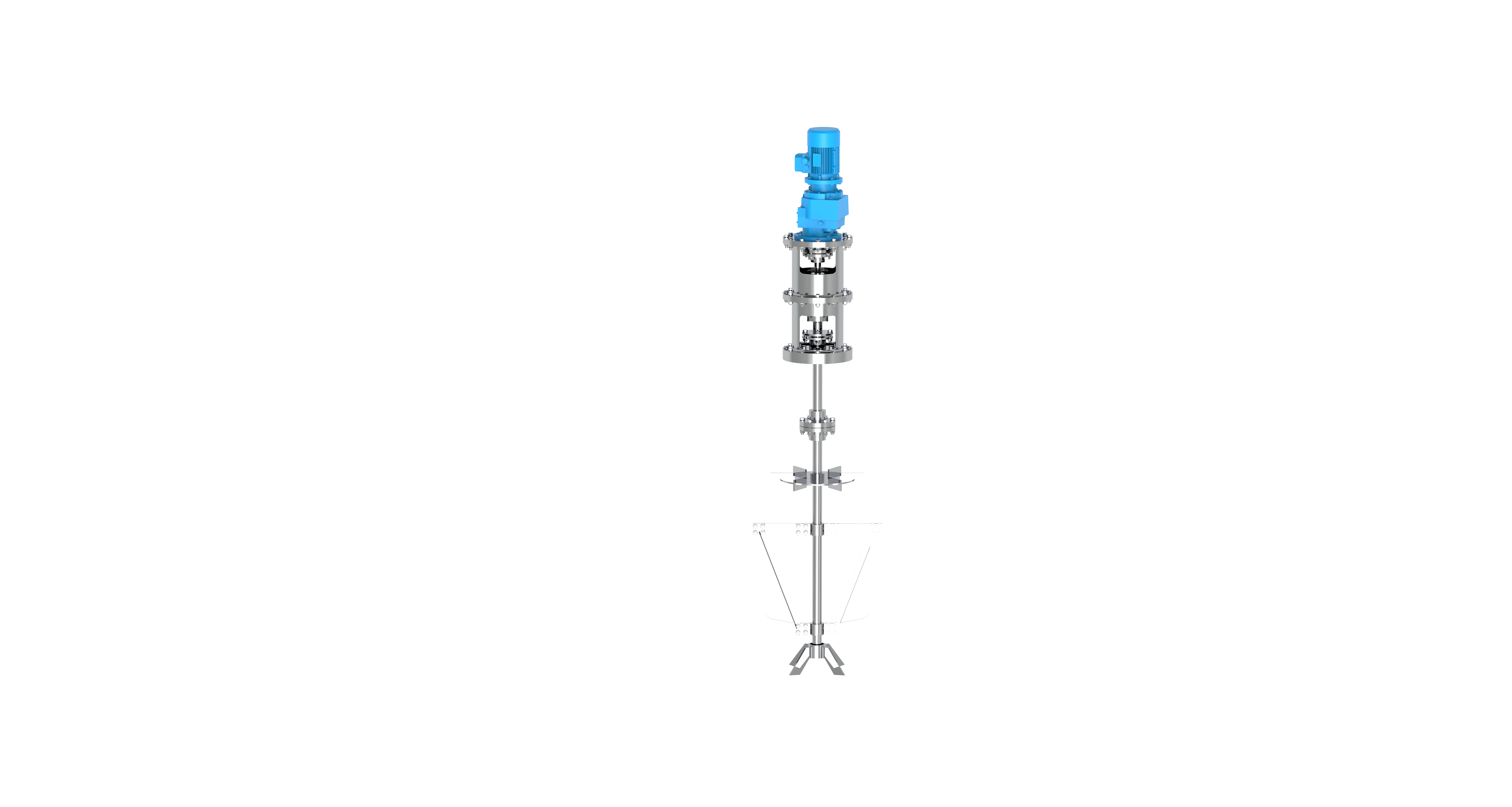
- Agitators are equipment used to homogenize media inside a tank.
- They work by rotating immersed impellers at a controlled speed, also called revolutions per minute (RPM).
- The work exerted by the impeller induces the flow and shear of the media inside the tank, causing a single or multi-component media to homogenize.
Agitators consist of three main components:
- Motor Component
The motor drives the agitator assembly. It produces the required torque to induce flow and shear to the media at a controlled degree. The power requirement of an agitator depends on many factors such as:
- Viscosity, specific gravity, and solid content of the media
- Speed or rpm of the impeller
- Impeller diameter
- Power number of the impeller
- Number of impellers
- Shaft Component
The shaft is connected to the motor’s driveshaft and transmits the torque to the impeller. Couplings, end caps, and other devices are used to build the shaft assembly. Sealings are also used to prevent material build-up.
Impeller Component
The impeller is considered the most critical component of agitators that determine the flow pattern, efficiency of the homogenizing process, and mixing parameters. It is responsible for exerting energy directly to the materials being mixed.
Impellers mainly consist of a hub and blades. The agitator blades are attached to the hub by welding or screwing. A welding connection is more hygienic because it prevents material-build on the fasteners and fittings. There could be more than one impeller installed in an agitator shaft. The number of impellers depends on the type of impeller, the maximum height of the media inside the vessel, vessel diameter, and specific media gravity.